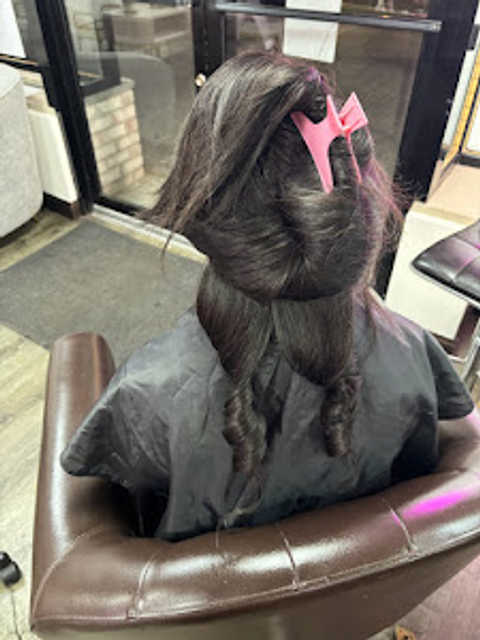
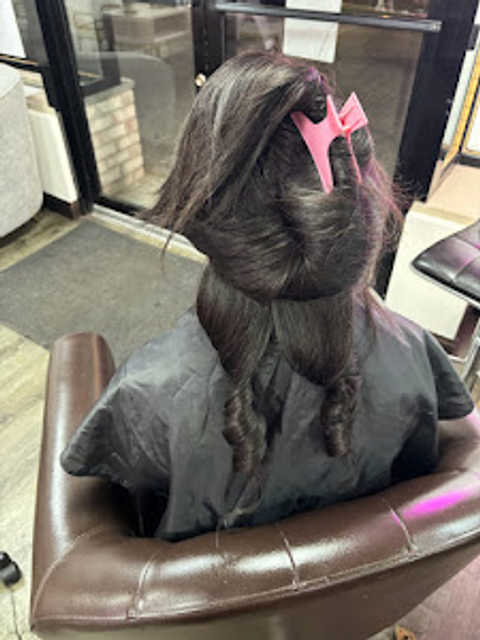
How two-strand twists form
Two-strand twists are created by wrapping two clean, detangled sections of hair around one another to form rope-like strands. Section width and twist tension determine the texture, curl definition, and how long the style holds. The technique helps define natural curl pattern, lock moisture into the strand, and protect hair ends from routine abrasion and exposure.
In the salon your stylist selects sectioning and a twist approach that suits density and the look you want. Expect careful detangling and a moisture step before twisting; clients often point to our team’s gentle handling and thorough scalp care. The final appearance depends on section size, twist tightness, and the hair’s natural characteristics.
Preparing hair and moisture
Preparation affects both the initial look and how long twists remain neat. Clean, detangled hair that has been lightly moisturized will hold twists with less frizz. Because the Bronx experiences humid summers and dry winters, we adjust moisture strategies to seasonality; many clients book in May, June and September to refresh styles as weather changes.
If you prefer to arrive washed or want a scalp cleanse before styling, mention that when booking — reviews show clients appreciate a thorough, gentle scalp clean. For commuters and evening appointments, easy subway and bus connections make after-work visits practical; plan visits around local shopping or park time if that fits your schedule.
Styling, wear and local fit
Two-strand twists can be sized and parted to create a range of textures, from chunky ropes to finer coils. The low-maintenance nature of the style suits busy families and service-sector workers across Williamsbridge/Wakefield and the Northeast Bronx. Many clients combine their appointment with errands at Bay Plaza or outdoor time at Pelham Bay Park.
Because section size and tension influence scalp comfort, we avoid overly tight twists that strain hairlines; clients frequently value neat, relaxed tension and efficient, friendly service. Twists also offer a protective layer that helps shield ends from cold winter abrasion and humidity-related friction, making the style practical across seasons.